EN
EN SP
SP FR
FR
- Home
- About Us
- Products
- Service
- Project
- News
- Contact Us
Pulished on Sep. 25, 2023
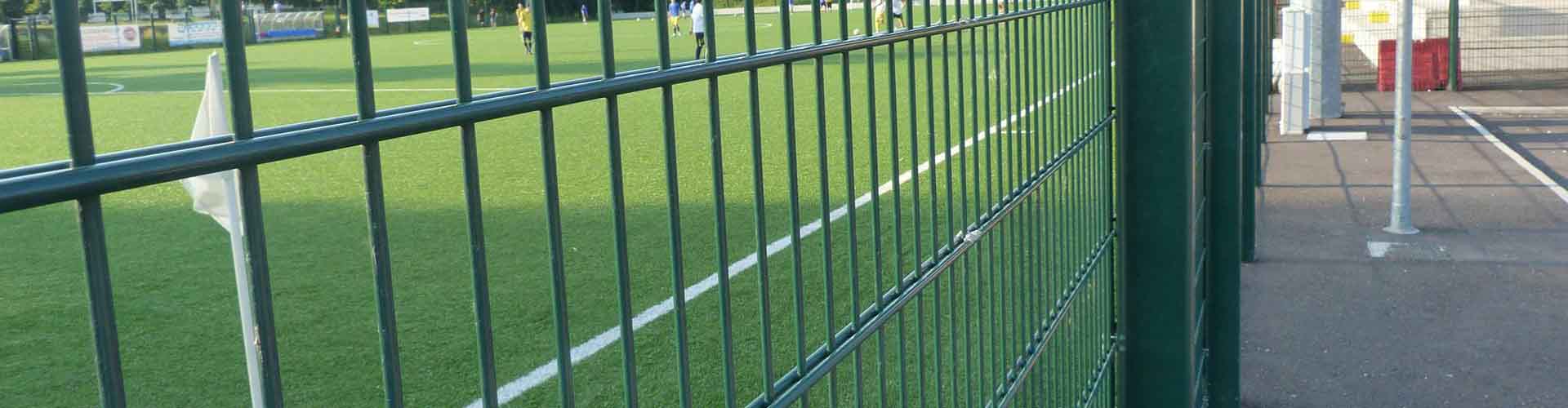
Double wire mesh fence is usually made of materials such as high-strength steel wire, aluminum alloy or stainless steel. These materials have good tensile strength, wear resistance and corrosion resistance, allowing them to maintain good performance over time in harsh environments. Especially for high-risk locations such as refineries, the use of materials with special properties such as explosion-proof and anti-corrosion can more effectively protect important assets.
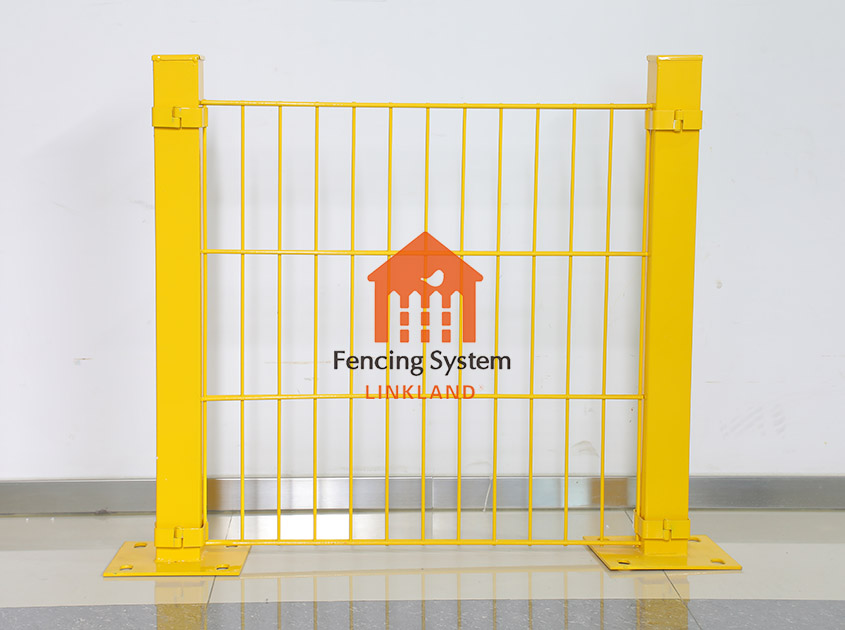
The structural design of Double wire mesh fence should consider its sturdiness and stability. Usually, guardrails are composed of two parallel steel wires, and the connection between the two wires can be integral or segmented. This structure can provide good protection while ensuring the stability of the guardrail. In addition, the beams and columns of the Double Wire Mesh Fence should have a certain bearing capacity to ensure that they will not deform or break when subjected to impact.

When double wire mesh fence is applied in a refinery, various factors in the environment should be taken into consideration. For example, there are dangerous factors such as high temperature, high pressure, corrosive gases and liquids in oil refineries, so the materials of guardrails should have corresponding protective properties. In addition, the height, width and grid size of guardrails should be selected according to actual needs to ensure the safety of assets. At the same time, regular maintenance and inspections are required to ensure that guardrails are always in good working order.
The security performance of Double wire mesh fence is one of the key factors in protecting important assets such as refineries. In addition to material and structural stability, guardrails also need to comply with relevant safety standards and regulations. For example, guardrails should have a certain impact resistance and be able to withstand physical impacts from the outside world. In addition, guardrails should also have certain explosion-proof properties to prevent accidental events such as explosions from causing damage to assets.
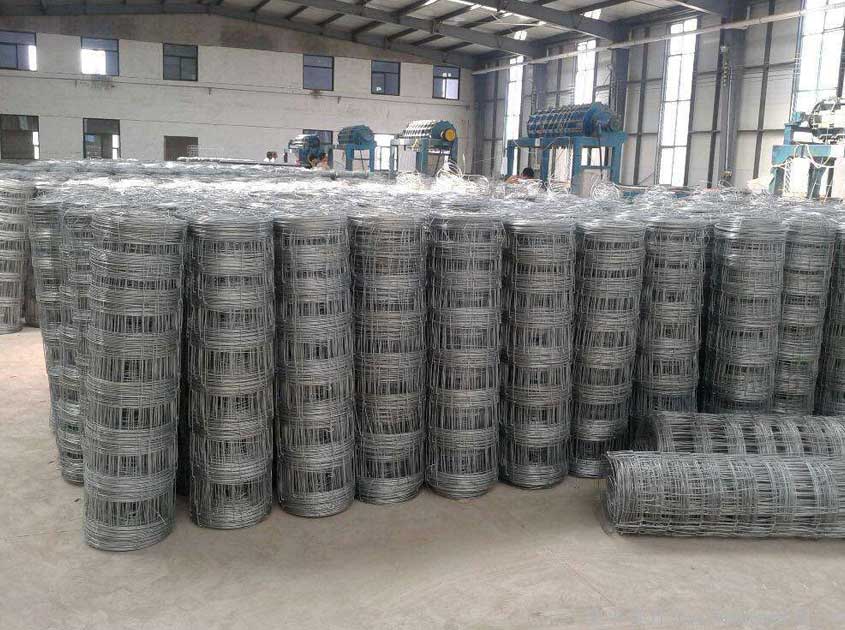
How to Choose Farm Fence for Cattle and Horses: Wire, Height and Design Guide
Pulished on Sep. 23, 2026
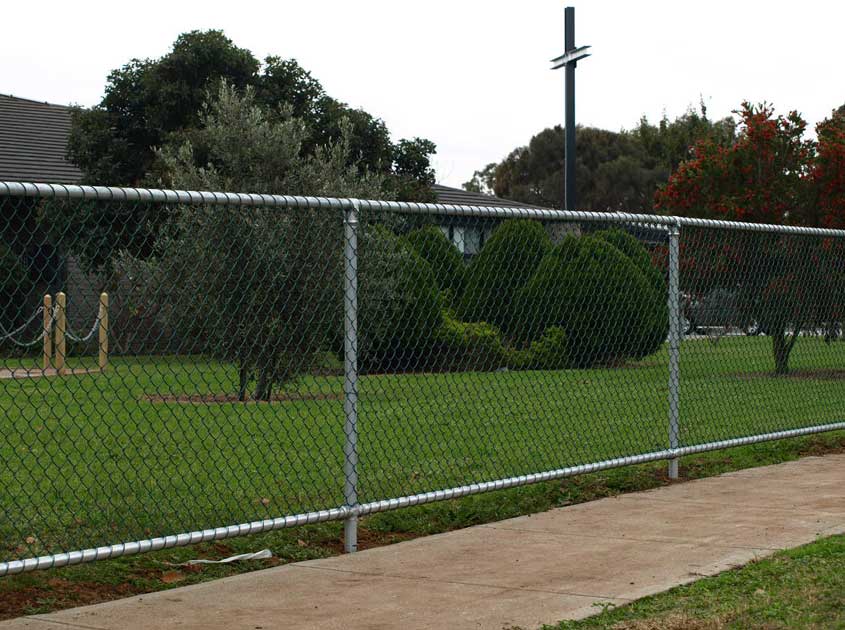
How Is Chain Link Fence Made? Manufacturing Process and Components
Pulished on Sep. 18, 2026
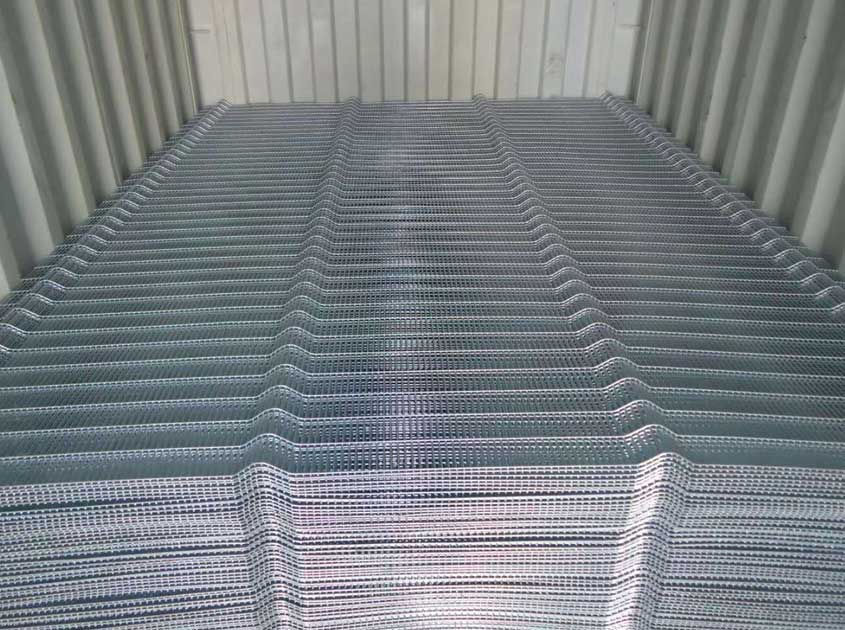
358 Security Fence vs Chain Link Fence: Security, Cost and Application Comparison
Pulished on Sep. 15, 2026
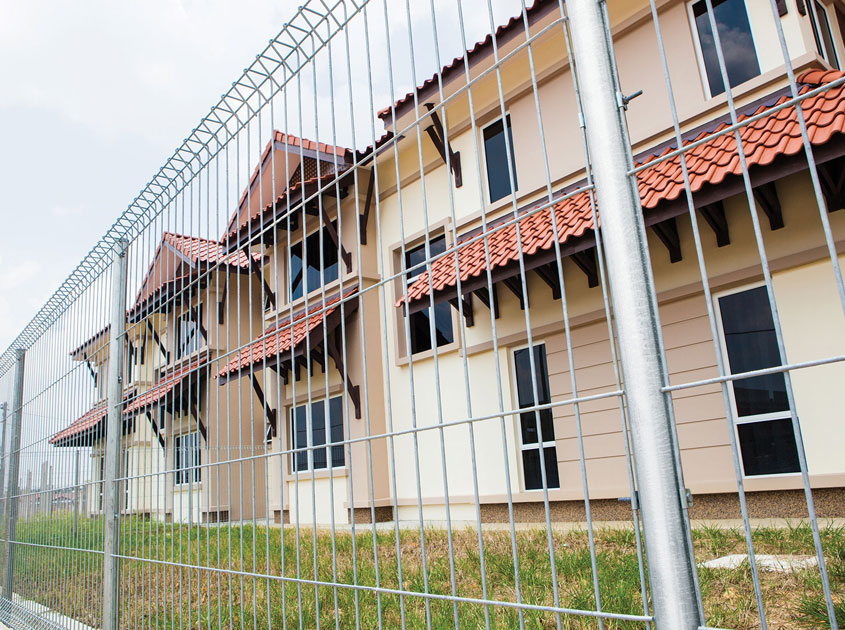
Why Choose Welded Wire Fence for Security and Protection?
Pulished on Sep. 07, 2026
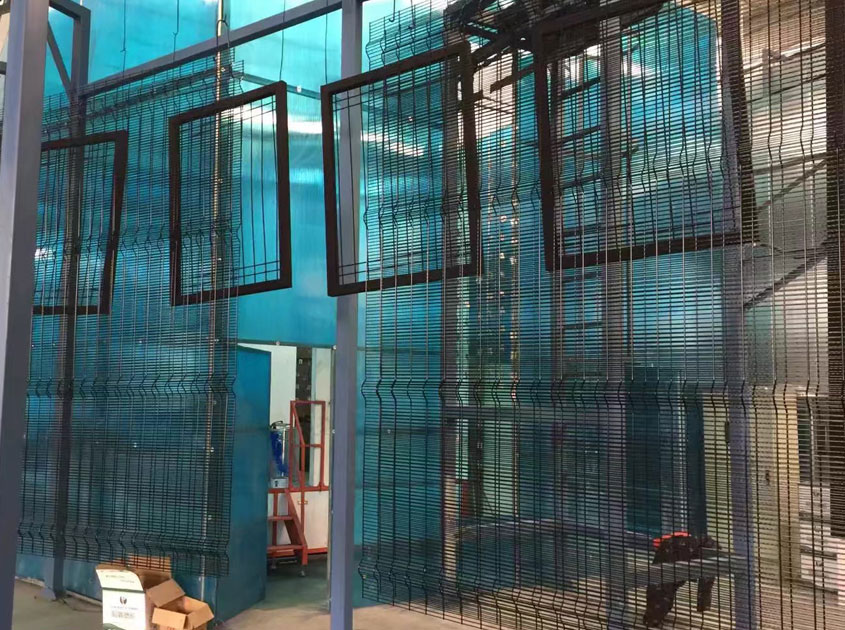
358 Security Fence Specifications and Applications Guide
Pulished on Aug. 27, 2026
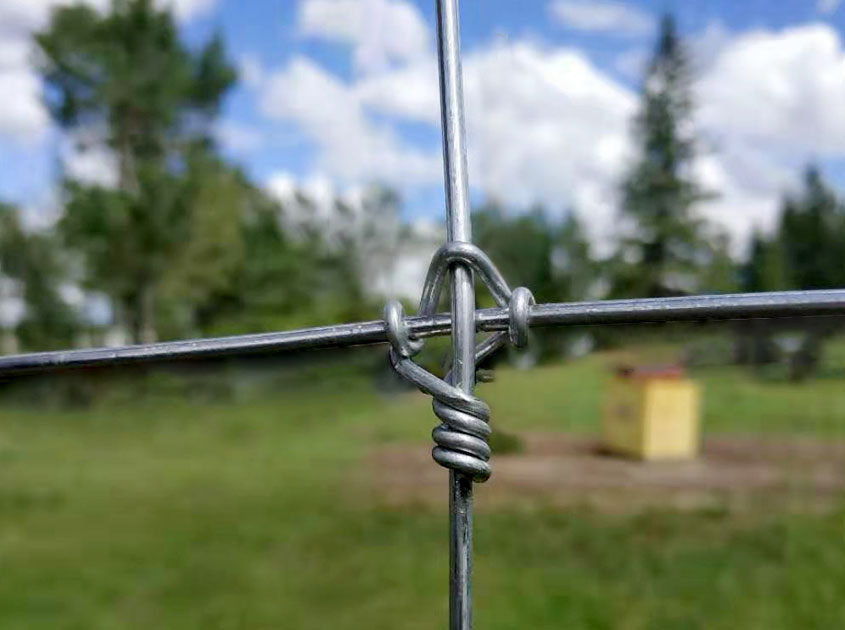
What Is Farm Fence and What Are the Main Types?
Pulished on Aug. 26, 2026
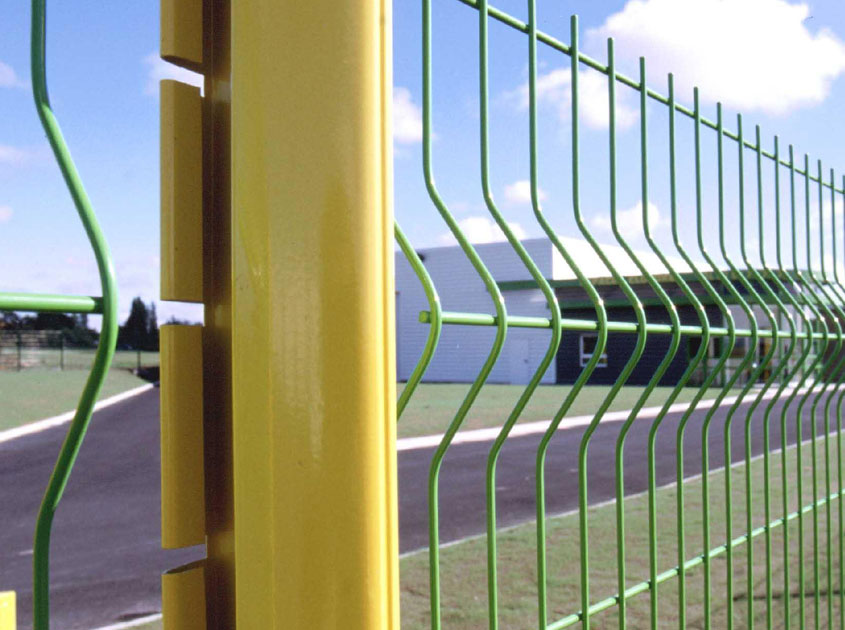
Welded Wire Fence Types, Sizes and Applications Guide
Pulished on Aug. 20, 2026
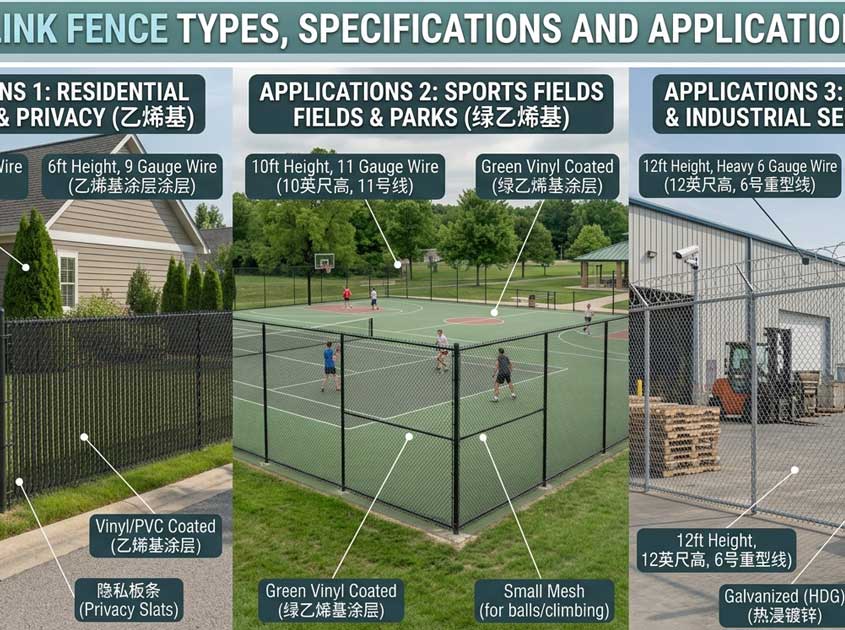
Chain Link Fence Types, Specifications and Applications Guide
Pulished on Aug. 12, 2026
How to Choose Farm Fence for Cattle and Horses: Wire, Height and Design Guide
Pulished on Sep. 23, 2026
How Is Chain Link Fence Made? Manufacturing Process and Components
Pulished on Sep. 18, 2026
358 Security Fence vs Chain Link Fence: Security, Cost and Application Comparison
Pulished on Sep. 15, 2026
Why Choose Welded Wire Fence for Security and Protection?
Pulished on Sep. 07, 2026
358 Security Fence Specifications and Applications Guide
Pulished on Aug. 27, 2026
What Is Farm Fence and What Are the Main Types?
Pulished on Aug. 26, 2026
Welded Wire Fence Types, Sizes and Applications Guide
Pulished on Aug. 20, 2026
Chain Link Fence Types, Specifications and Applications Guide
Pulished on Aug. 12, 2026